Complete Guide to Powell River General Contractor
How to Select the Right General Contractor for Your Next Home Project
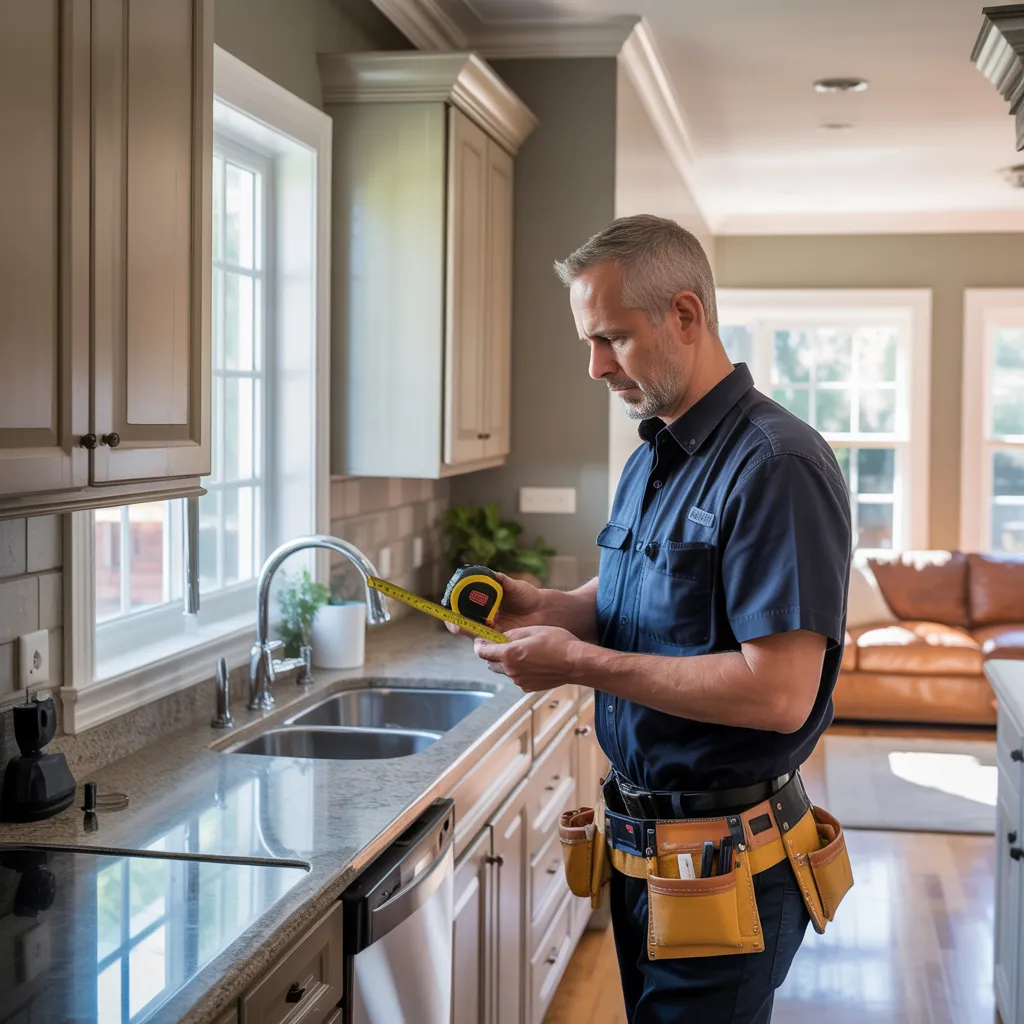
Selecting an appropriate construction professional for a residential renovation is a crucial decision. This demands careful consideration of multiple elements, such as expertise, qualifications, and ability to communicate. Numerous property owners overlook key aspects, leading to costly mistakes. Understanding how to assess prospective professionals can make a significant difference. By focusing on vital standards and posing appropriate inquiries, one can navigate this intricate undertaking more successfully. What are the key steps to guarantee a successful partnership?
How to Avoid Ordinary Pitfalls When Choosing a Professional
When selecting a contractor, how can one handle the countless of possibilities without succumbing to common traps? Prospective clients commonly ignore crucial aspects that can bring about poor results. First, focusing only on cost can be unreliable; the lowest bid may mean subpar quality or unexpected fees. Additionally, not reviewing referrals or web evaluations can cause selection of a bad builder. It is also essential to avoid choosing merely because of charm; a likable contractor may not possess the necessary skills or reliability. Moreover, overlooking clear communication and requirements can cause confusion and disappointment. Finally, skipping detailed contract reviews before commitment can result in unexpected obligations or lack of protection. By being careful and knowledgeable, homeowners can make smarter decisions, eventually ensuring a positive result.
Details to Analyze About a Contractor's Experience
When analyzing a contractor's track record, many important considerations apply. Relevant project experience, technical certifications, and an substantial range of completed work demonstrate critical indicators of their strengths. Assessing these features can present valuable insights into the contractor suitability for the targeted project at hand.
Relevant Project Experience
Recognizing a contractor's related expertise is vital for securing the triumph of any construction undertaking. Prospective clients should examine the contractor's portfolio, prioritizing on completed projects similar in proportions and design to theirs. This means inspecting the quality of craftsmanship, respect to timelines, and expense management in former undertakings. Also, it is beneficial to inquire about the categories of materials used and the contractor's familiarity with local regulations and regulations. Testimonials and citations from past clients can provide insights into the contractor's dependence and communication skills. In conclusion, a contractor with extensive applicable experience can navigate issues effectively, ensuring the project meets the homeowner's expectations and standards.
Sector Qualifications And Authorizations
Licensing and certification serve as essential indicators of a contractor's professionalism and expertise in the construction industry. When choosing a general contractor, it is vital to verify that they have the required permits required by local and state regulations. These licenses show compliance with building codes and safety standards. Additionally, industry certifications, such as those from the National Association of Home Builders or similar organizations, indicate a contractor's commitment to quality and ongoing education. Contractors with specialized certifications may also possess expertise in specific areas, such as green building or remodeling. Verifying that a contractor has the appropriate credentials not just enhances confidence in their capabilities but also minimizes potential legal and financial risks during the project.
Portfolio Of Completed Work
A tradesperson's portfolio featuring completed projects acts as a important resource for gauging their expertise and skills. This set must display a mix of projects that reflect versatility across various styles and levels of complexity. When reviewing a portfolio, potential clients should seek high-quality images that accurately show the quality involved. It is also beneficial to see projects that fit the homeowner's unique needs or design tastes. Attention to detail, innovative strategies, and adherence to schedules are vital markers of a contractor’s skill. Additionally, client feedback or case studies in the portfolio can give greater insights into the contractor's work ethic and trustworthiness. Ultimately, a robust portfolio can help homeowners make knowledgeable decisions about their upcoming projects.
Techniques to confirm Your Contractor's Credentials and Permits
Confirming a general contractor's qualifications and certifications is essential before enlisting them to validate they meet industry standards. Start by verifying with state licensing agencies that the contractor maintains the proper documentation applicable to your area and project type. Since each state has distinct regulations, understanding these can prevent future issues.
In addition, question about insurance coverage, including liability and workers' compensation, to ensure protection against potential accidents or damages. Collect references from past clients and verify to evaluate satisfaction and reliability.
Finally, review any credentials the contractor may have, as these often indicate advanced expertise and adherence to industry best practices. A comprehensive review process not only ensures compliance but also establishes trust in the contractor's ability to complete the project successfully.
Why Clear Communication Matters in Your Independent Contractor Working Relationship
Communication that is strong serves an important role in the contractor-client partnership, determining the project's achievement from the start. Transparent dialogue defines expectations, timelines, and budgets, ensuring both parties are aligned on the project's goals. When clients convey their vision effectively, contractors can offer informed suggestions and solutions, enhancing the overall result.
Ongoing updates and clear channels of contact enable quick handling of concerns as they arise, curtailing potential delays. Additionally, a contractor who listens to and responds to customer concerns strengthens trust, which is essential for teamwork.
Moreover, effective dialogue assists in addressing alterations and surprise difficulties, keeping the undertaking on track. It permits the builder to adjust approaches based on client suggestions, securing contentment during the entire project. Finally, focusing on communication not only solidifies the builder-customer relationship but also significantly supports the successful completion of the home project.
Key Queries to Present to Your Service Provider in Initial Appointments
In first meetings with a contractor, clients should focus on understanding their experience and qualifications. It's important to discuss the project timeline and budget to ensure alignment with the client's expectations. These questions establish a foundation for a productive partnership and efficient project management.
Experience and Expertise
Deciding on a general contractor rests on understanding their professional history and aptitude. Homeowners should probe the contractor's experience duration and the nature of projects they have executed. Important questions about legal permissions, certifications, and insurance are critical, as these guarantee compliance with local regulations and provide protection during the project. In addition, reviewing past work through portfolios or contacts can deliver understanding into the contractor's workmanship and stability. It is also wise to check their familiarity with similar projects, as this can indicate their proficiency to handle specific challenges. Ultimately, analyzing a contractor's experience and qualifications inspires assurance and helps homeowners make informed decisions about their home projects.
Project Roadmap and Cost
How can property owners guarantee their undertaking remains on budget track and temporally when meeting with a construction contractor? To preserve consistency, they should ask important questions during first consultations. Property owners must ask regarding the projected schedule for work completion and any potential delays that could arise. Comprehending the contractor's approach to managing schedules is crucial. Additionally, addressing the budget upfront is important; homeowners should obtain clear information on pricing estimates, payment plans, and any included contingencies for unforeseen expenses. Inquiring into previous projects can provide insight into the contractor's reliability in meeting deadlines and maintaining budget constraints. By creating open dialogue regarding timelines and finances, property owners can foster a collaborative partnership with their contractor, improving the probability of a successful project.
What steps should one undertake to verify a general contractor is reliable? First, it is vital to request a list of contacts from potential contractors. A respected contractor will readily provide names and contact information of previous clients. One should call these references to inquire about their experiences, focusing on aspects such as communication, work quality, and adherence to timelines.
Furthermore, reviewing online opinions on websites like Google, Yelp, or Angie's List can deliver helpful knowledge. It is vital to search for recurring themes in the reviews—steady positive or negative feedback can reveal trustworthiness or concerning problems.
Furthermore, examining for any complaints filed with local licensing boards or consumer advocacy organizations can uncover a contractor's history. Finally, requesting recent project photos can help assess the quality of their craftsmanship. By following this approach, one can reach a more well-researched choice when choosing a general contractor.
Grasping Contractor Pricing Models and Settlement Arrangements
Homeowners should also learn about regular payment practices. Most contractors need a deposit upfront, preceded by installment-based payments dependent on project milestones. It's important to clarify these terms before finalizing an agreement to prevent confusion. Additionally, homeowners should inquire about potential additional costs, such as filing fees or unexpected repairs. Open exchange about rates and payment conditions will build a forthright working relationship, ultimately bringing about a positive project completion. Grasping these elements gives homeowners the power to choose effectively when selecting a general contractor.
Often Questioned Frequently Asked Questions
How long will the project take to complete?
The project duration typically varies based on the level of complexity and project scope. Typically, it may require anywhere from weeks to several months. Factors such as weather, the availability of materials, and workforce availability can significantly affect the completion timeline.
What Takes Place if Unexpected Problems Arise During Construction?
If unforeseen complications emerge during building, the contractor usually assesses the situation, communicates with the homeowner, and proposes remedies. Adjustments to the timeline and costs may be necessary, ensuring transparency throughout the project.
Will My Project Need Permits or Inspections?
The majority of initiatives need inspections and permits to guarantee conformity detailed guide with local building codes. It is important to speak with a general contractor who grasps these requirements, as they can handle the permitting process effectively.
What Is Your Approach to Handling Subcontractors and Their Payments?
A reputable general contractor manages sub-contractors by creating explicit agreements detailing compensation schedules. They ensure prompt payment, keep transparent dialogue, and track subcontractor performance, promoting a collaborative environment that aids in successful project completion and productivity.
What Is Your Stance on Project Changes or Upgrades?
A flexible approach to alterations in scope is maintained by the contractor, insisting on written documentation for any upgrades. They promise open dialogue, assess budget impacts, and adapt timelines accordingly to accommodate the client's shifting demands and choices.